
Cinnamon Biscuits From Scratch
This post may contain affiliate links. See my disclosure policy.
These cinnamon biscuits skip the canned dough and are made from scratch with a cinnamon-spiced buttermilk and all-butter dough that’s laminated for flaky layers. Cinnamon sugar coats the pan and gets sprinkled on top so the biscuits bake with caramelized bottoms and crunchy tops. Add a quick powdered sugar glaze for a simple breakfast treat that’s ready in under 40 minutes.
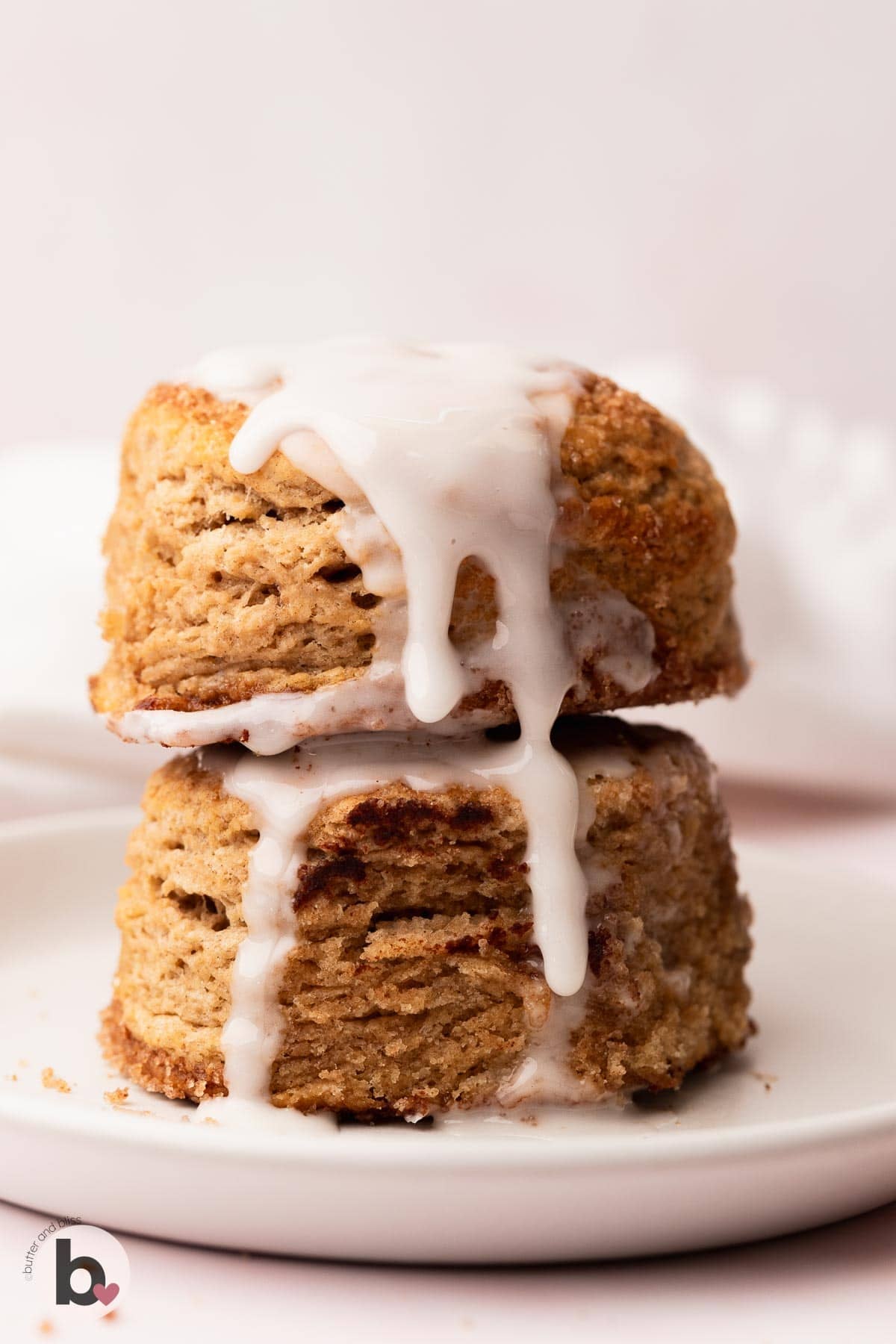
Homemade Cinnamon Sugar Biscuits That Replaced Canned Dough

I’ve been making these cinnamon biscuits (or cinny biscuits, as I call them) for almost ten years. They started as my grown-up answer to the canned biscuits with the little tin of icing. You know the ones.
But ever since I perfected my homemade buttermilk biscuits, those canned ones haven’t made it back into my kitchen. This is one of those make-it-from-memory recipes, and after years of testing, two things never change: buttermilk to keep the dough tender, and cold, grated butter for all those flaky, peel-apart layers.
For this recipe, I season the dough with cinnamon and a touch of extra sugar, then coat the pan and the tops with even more cinnamon sugar. The result is a crunchy, sweet bite that gives you all the cinnamon-sugar comfort of my small batch cinnamon rolls, but in buttery, biscuit form.
And to replace that tin of icing, you can opt for a quick glaze, or my brown butter cinnamon glaze. Either way, those popping tube biscuits won’t be missed.

Making Cinnamon Biscuits: From Cold Butter to Golden Tops
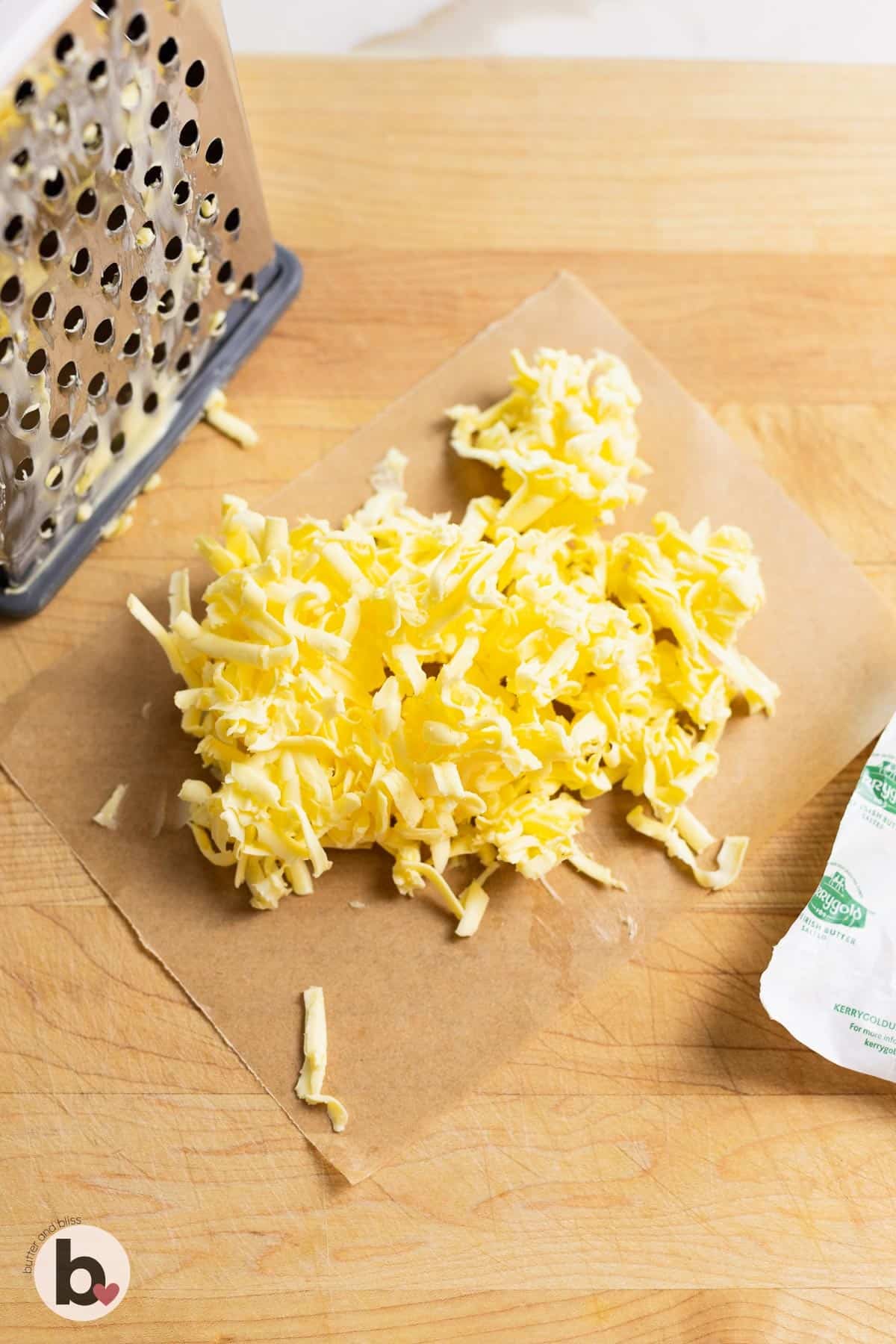
Start by grating cold butter – from the fridge or freezer – on a box grater, over a piece of parchment. And to keep it cold, put the grated butter into the freezer until ready to use.
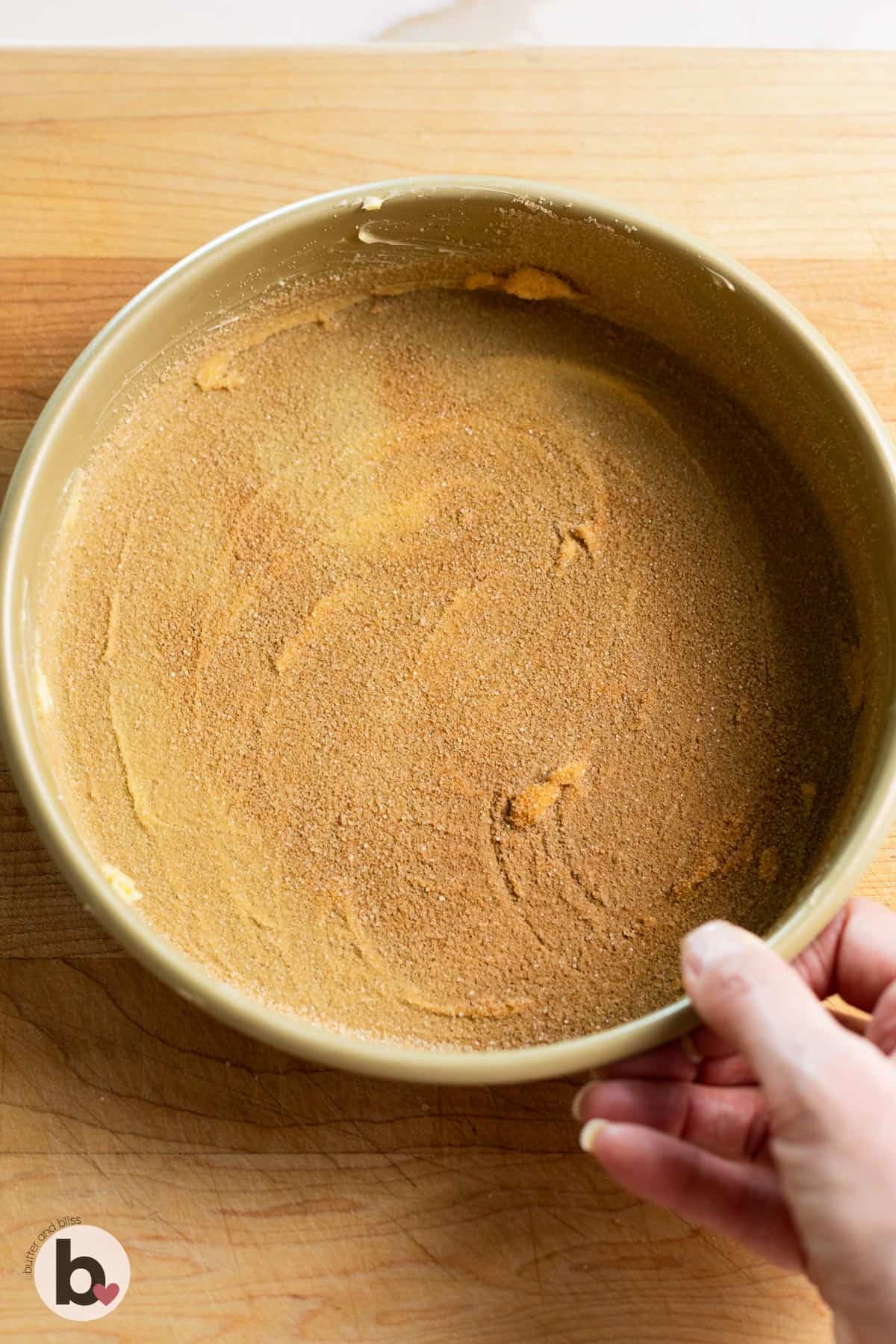
Grease a round cake pan with butter and sprinkle it liberally with cinnamon sugar. This is what will caramelize the bottoms of the biscuits.
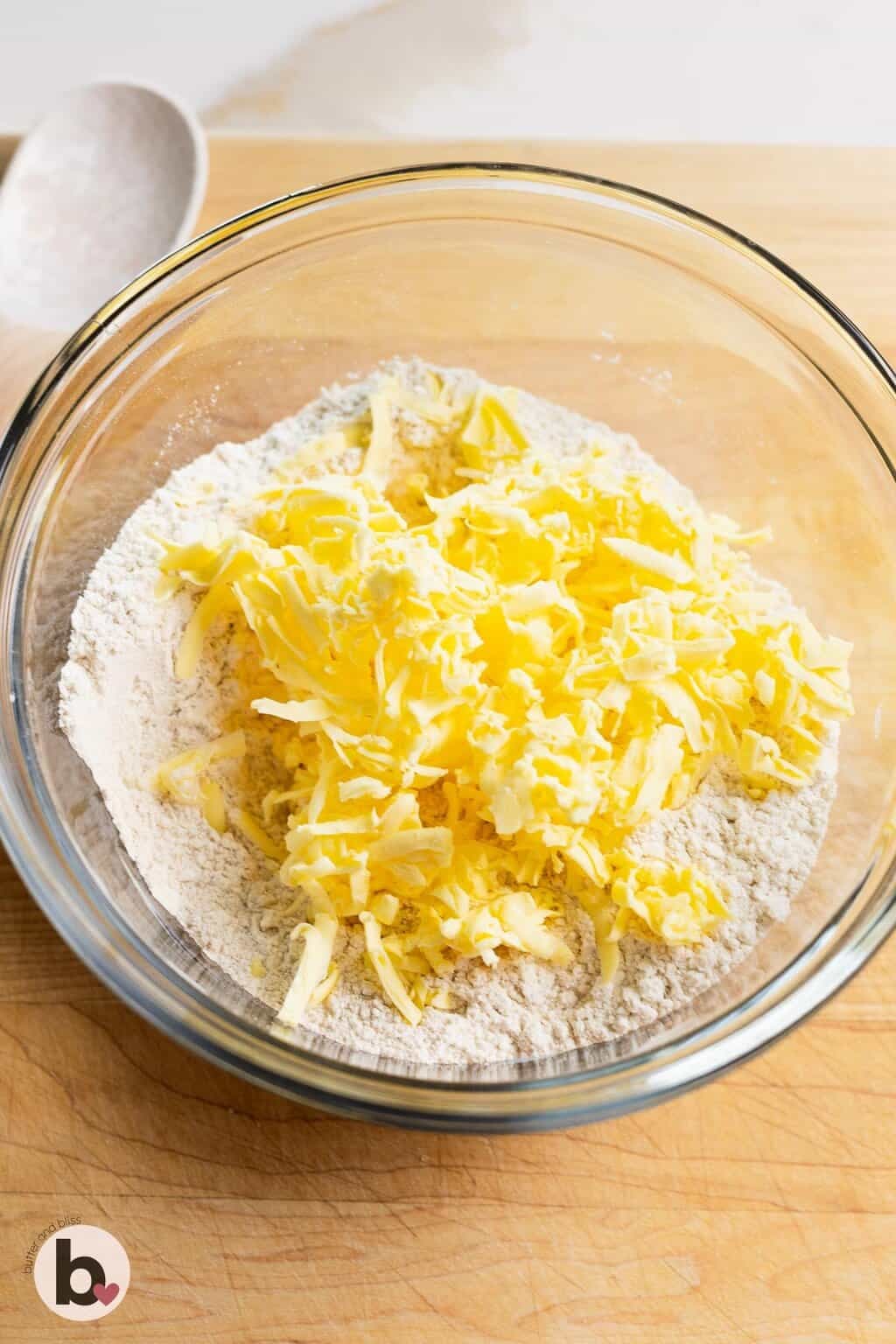
Mix the dry ingredients in a large mixing bowl. Then add the butter flakes and use your fingers or a wooden spoon to toss the flakes through the flour, making sure the pieces are well coated.
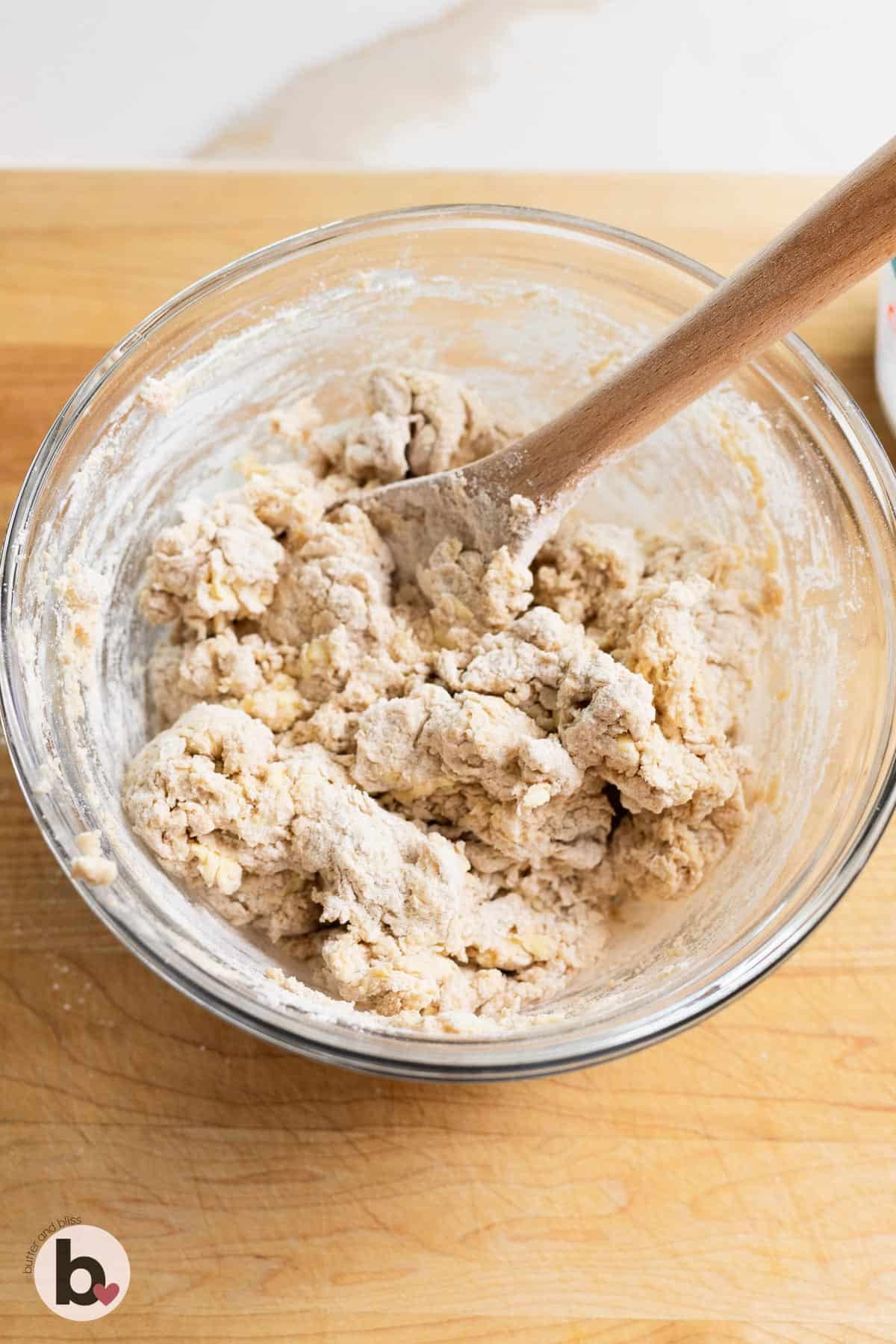
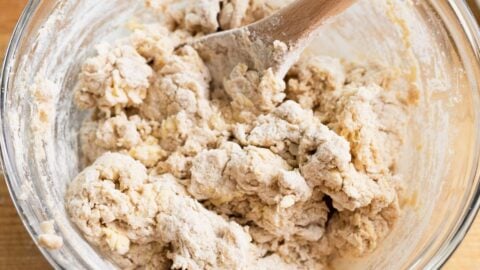
Add the buttermilk in increments, and gently mix until you have a moistened, shaggy dough. It will seem like it needs more liquid, but add too much, and you’ll end up with something a little more dense, like a muffin.
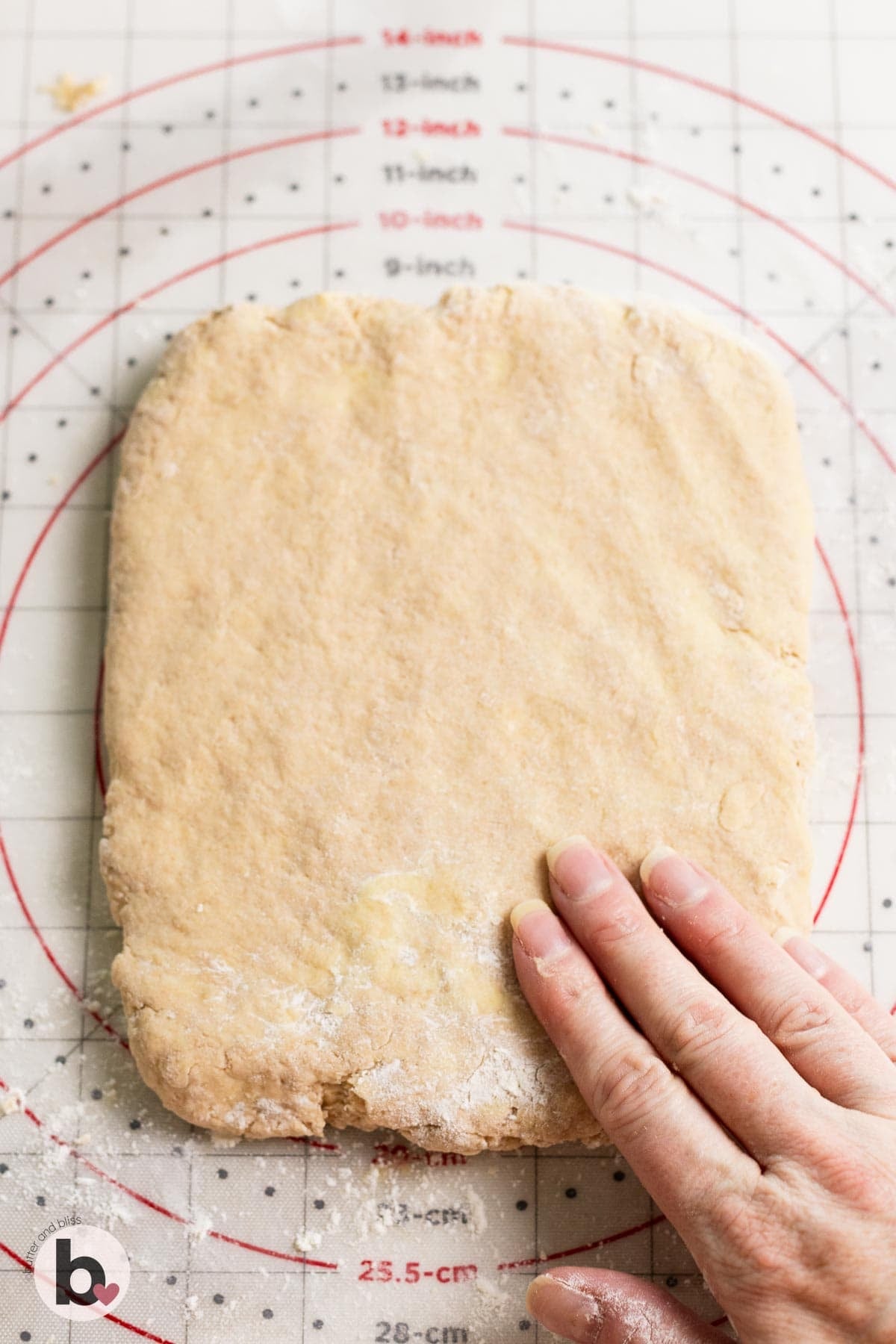
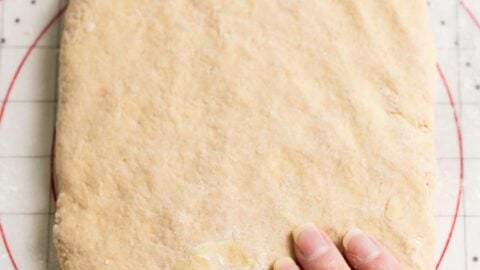
Pour the dough onto a well-floured surface and use your hands to form it into a ball. From there, press the dough into a rough rectangle with your fingertips. You’ll see all those little bits of butter in the dough.
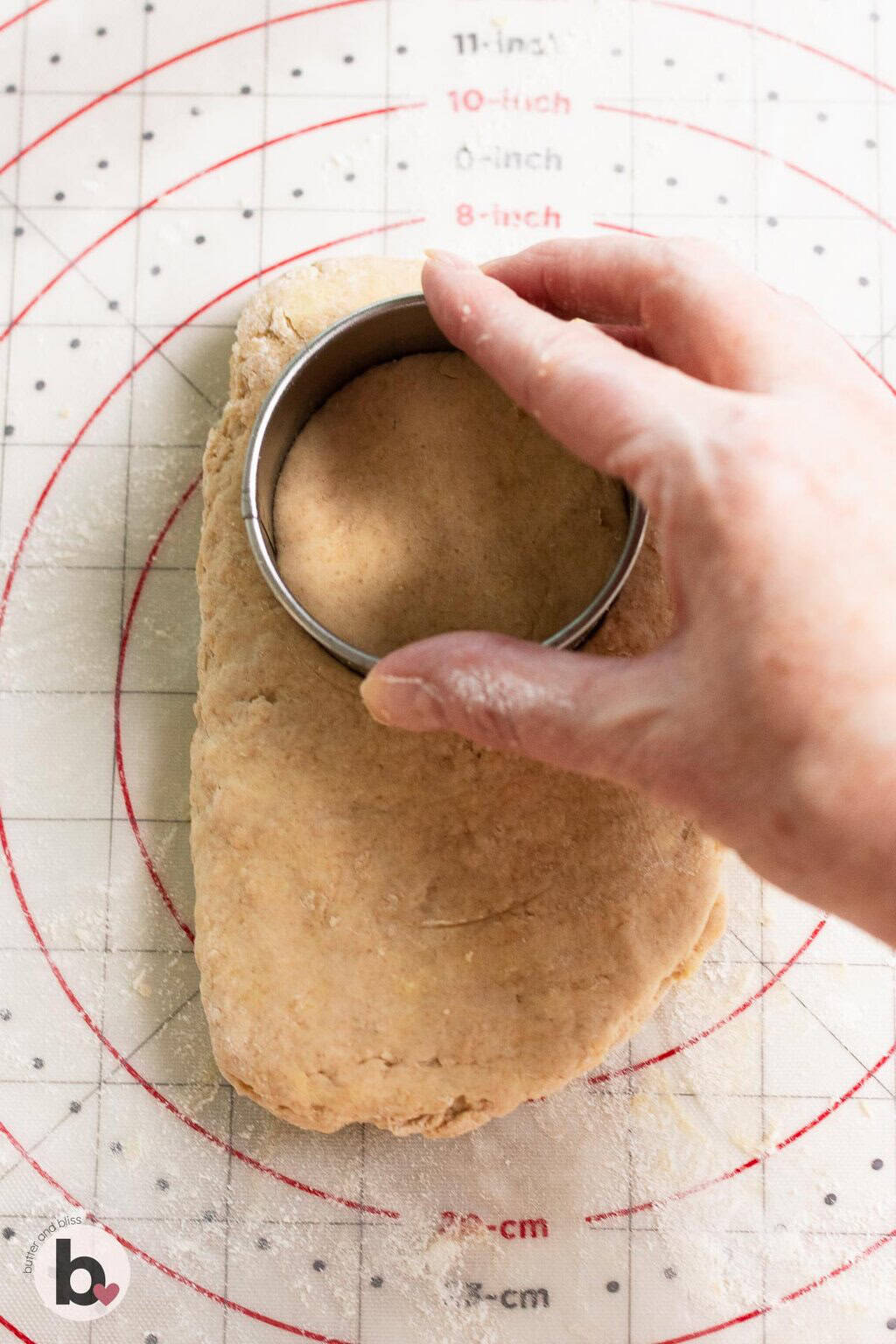
Fold the rectangle in half, press into another rectangle, and repeat 2 to 3 times. This is called laminating the dough and is what creates all those layers. Use a biscuit cutter and press straight down to cut the biscuits.
Tip! Do not twist the biscuit cutter when cutting the biscuits. That can seal the edges and inhibit the biscuit rise and production of layers.
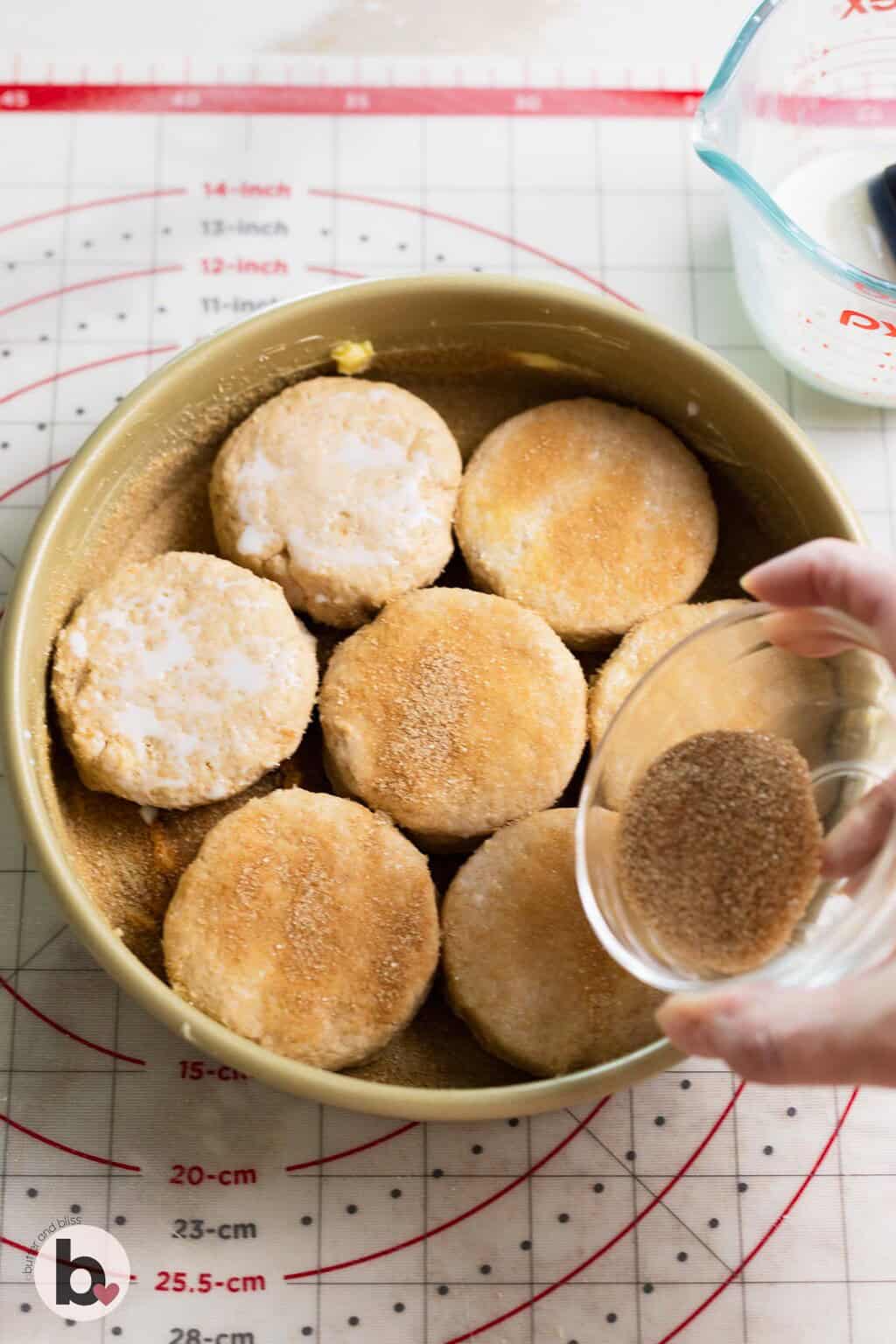
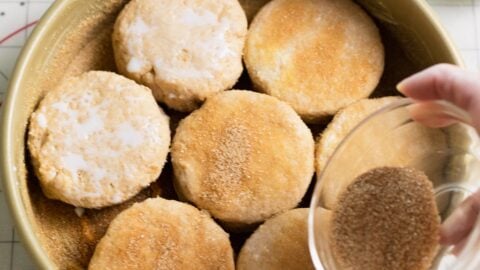
For fluffy biscuits, nestle them close together in the pan so they touch. This insulates the sides and keeps the interior extra soft. Prefer crisp edges all the way around and a flakier bite? Space them apart so each one bakes with its own golden crust.
Brush the tops with extra buttermilk, sprinkle with cinnamon sugar, and bake until the tops and edges are golden brown. You’ll also smell that fragrant cinnamon-sugar.
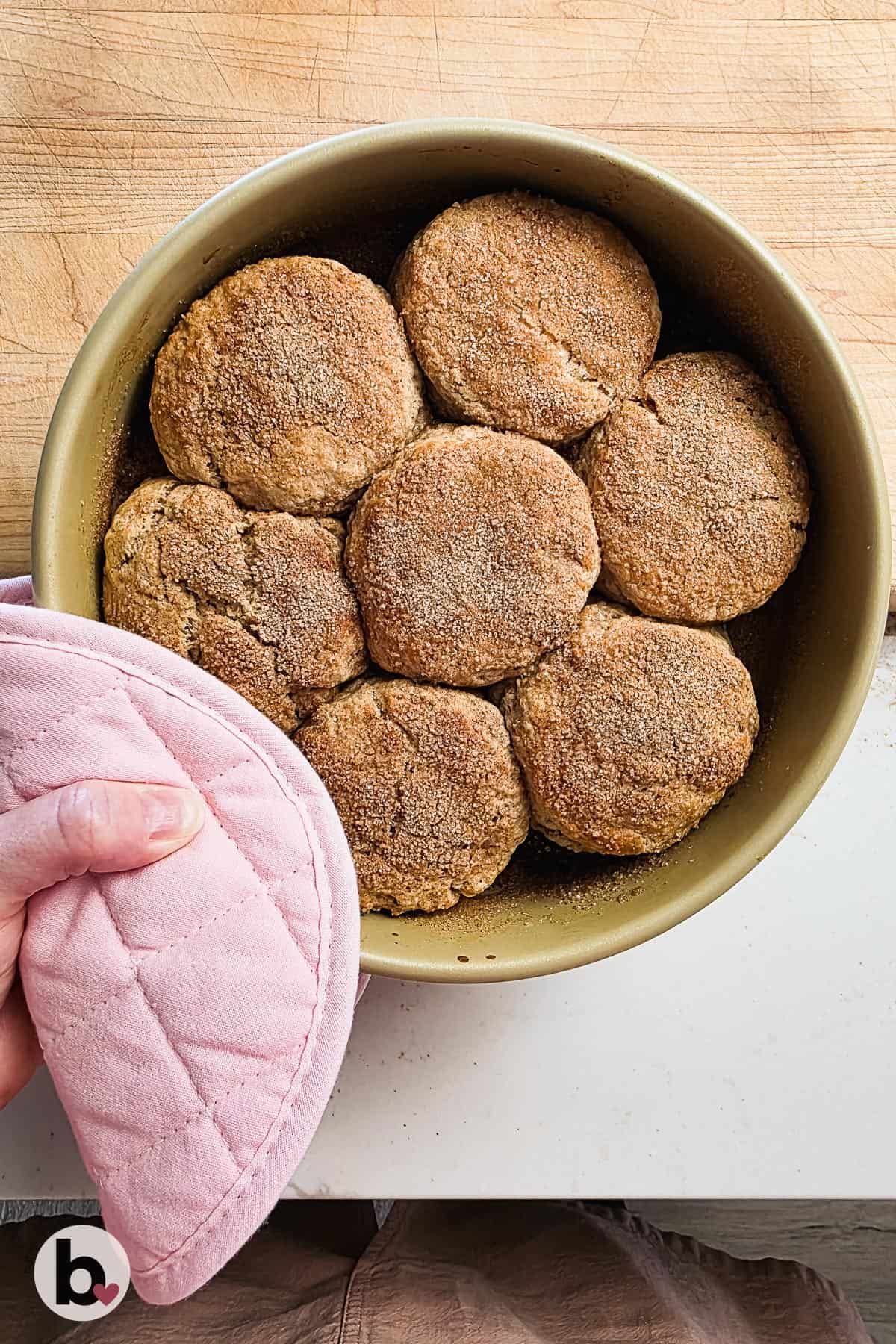
Finishing The Cinnamon Biscuits
The biscuits are wonderful when they are warm, so you don’t need to wait for them to cool. Serve them straight from the pan, and it’s your choice if you top them with the glaze I give you in the recipe card (or my strawberry glaze would be fun for summer), slather with butter, or eat them as-is!
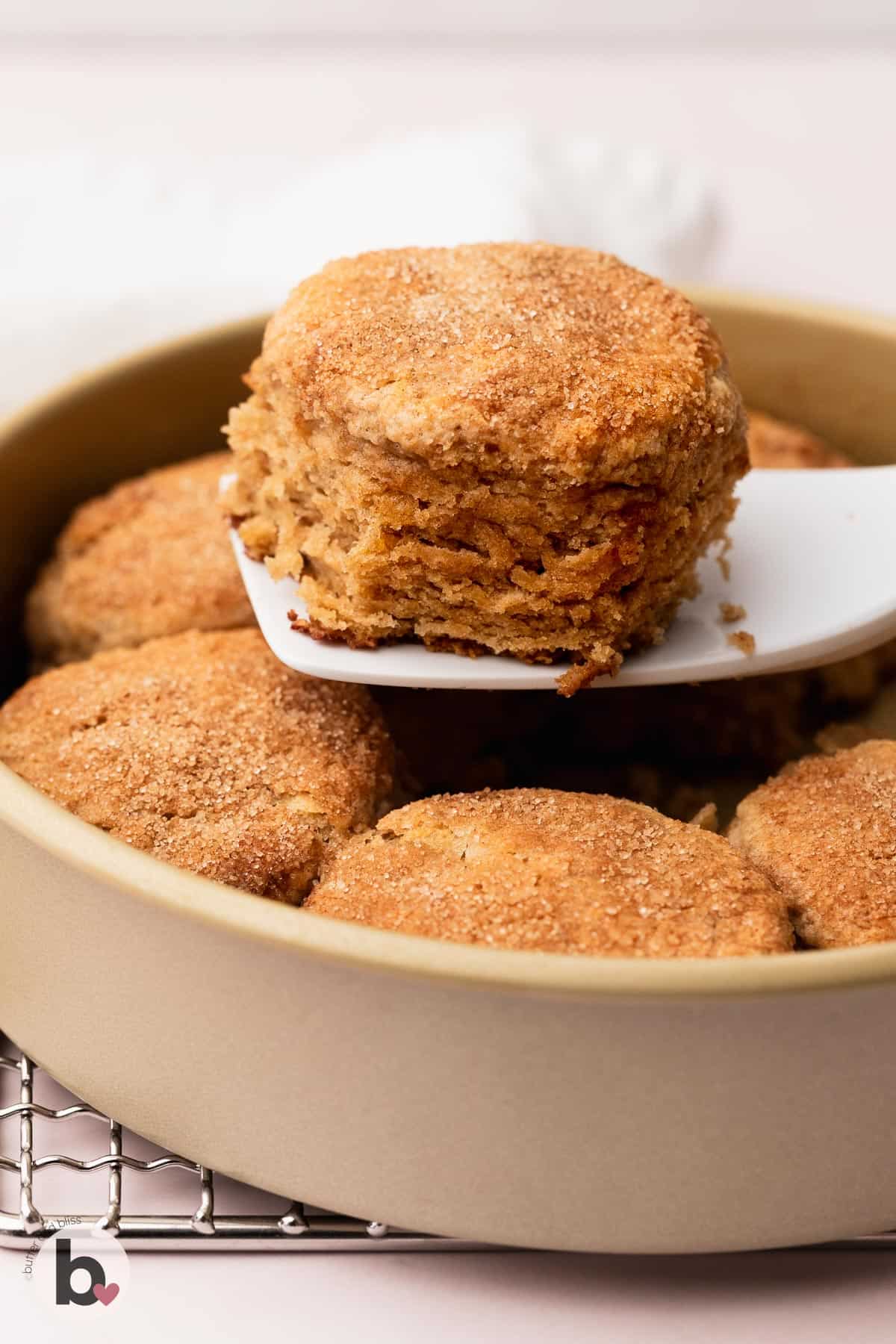
Erin’s Biscuit Tips
- Form the dough with your hands or fingertips for the best texture. It may seem easier to use a rolling pin, but I prefer not to — I don’t want to overwork the dough, which can yield a dense biscuit, and I don’t want it to melt all those pieces of butter.
- If the dough feels too sticky, lightly sprinkle the top with flour when you’re forming the dough ball. A light dusting is usually enough, plus you’ll have the flour from the work surface to help. Too much can toughen the dough.
- A round cake pan does more here than just hold the biscuits. The sides help the sugar coating stay put and caramelize evenly against the dough. The cinnamon-sugar pan coating is more likely to burn on a baking sheet.
Did You Make It? Let’s Hear About It!
⭐⭐⭐⭐⭐
Did these become your new tube-biscuit replacement? I’d love to hear about it! Leave a comment and star rating below so more bakers can find the recipe!
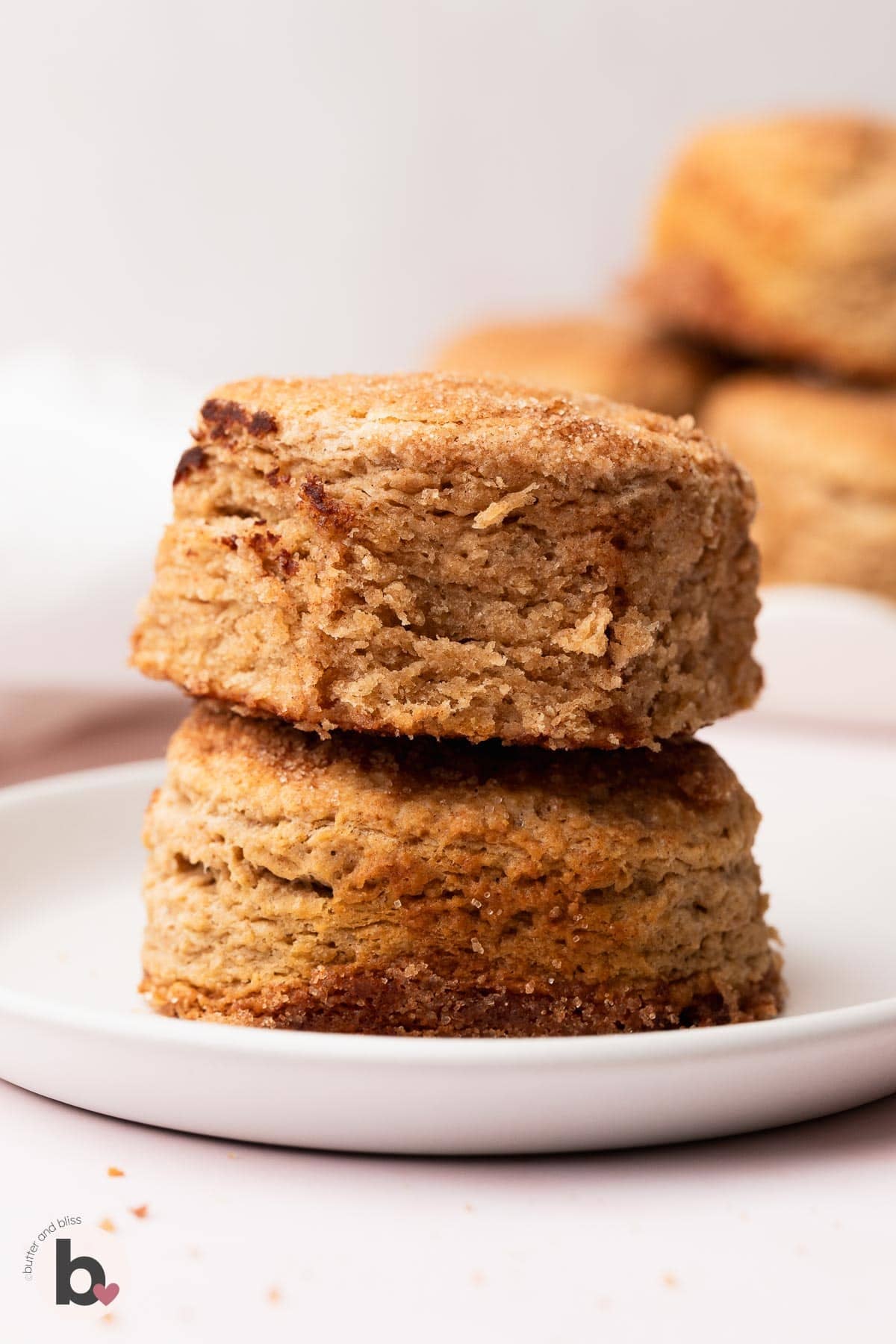
Cinnamon Biscuits From Scratch
by Erin Cernich
Equipment
- 8-Inch Round Cake Pan
- Rolling Mat (optional)
Ingredients
- 2 cups (250 g) all purpose flour (plus more for dusting)
- 2 tablespoons (24 g) granulated sugar
- 1 teaspoon baking powder
- ½ teaspoon baking soda
- 1 teaspoon salt
- ½ teaspoon ground cinnamon
- 7 tablespoons (98 g) unsalted butter, cold (plus more to grease pan)
- 1 cup (237 ml) buttermilk, cold (reserve and set aside 1 tablespoon)
- 2 to 3 tablespoons cinnamon sugar
Instructions
- Using a box cheese grater, grate the cold butter onto a piece of parchment paper. Put the grated butter in the freezer until ready to use.
- In a liquid measuring cup, measure out the buttermilk. Place it in the refrigerator until ready to use.
- Preheat oven to 425F degrees and adjust the oven rack to the middle position. Grease an 8-inch round cake pan with a tablespoon of butter. Coat the pan with cinnamon sugar – swirl around to get the sides!
- In a large mixing bowl, whisk together the flour, sugar, baking powder, baking soda, salt, and cinnamon.2 cups all purpose flour, 1 teaspoon baking powder, 1/2 teaspoon baking soda, 1 teaspoon salt, 1/2 teaspoon ground cinnamon, 2 tablespoons granulated sugar
- Add the chilled butter shavings to the flour and stir until all the pieces are coated with flour.7 tablespoons unsalted butter, cold
- Reserve 1 tablespoon of buttermilk to brush over the top of the biscuits.
- Pour about 2/3 of the buttermilk over the dry ingredients. You may not need all of it. Use a wooden spoon or spatula to mix gently until the dough is moist, coarse, and crumbly. Add more buttermilk as needed. You don't want the dough to be too wet. Temperature and humidity can affect how much is needed. Reserve about 1 tablespoon of buttermilk to brush over the biscuits before baking. If you used all of it, regular milk or cream will work.1 cup buttermilk, cold

- Pour the dough out onto a lightly floured work surface. Using your hands, gently work the dough together and form it into a rough rectangle. If the dough is sticky, lightly flour the top.
- Once the dough has come together, fold it in half. With your fingertips, gently flatten the dough. Rotate the dough 90 degrees and fold in half again, gently flattening the layers again. Repeat this 2 to 3 more times. Keep the surface lightly floured to avoid the dough sticking to your work surface. The folding and rotating (aka "laminating") is what creates the flaky layers in the biscuits.
- Flatten the dough to approximately 1/2 to 3/4 inch thick. Dip the biscuit cutter into flour. Starting in one of the corners of the dough, gently press the biscuit cutter straight down – making close cuts to get as many biscuits as you can before having to re-work the dough. Re-flatten and cut any remaining dough.
- Place the biscuits in the prepared pan. It's ok if they touch. Brush the tops with the reserved buttermilk, then sprinkle generously with cinnamon sugar.2 to 3 tablespoons cinnamon sugar
- Bake the biscuits until the tops are golden brown, about 20 to 22 minutes. Remove from the oven and serve warm. You can also drizzle the biscuits with a simple glaze (see next step).
- Simple Biscuit Glaze – Mix 3/4 cup of powdered sugar, 1/8 teaspoon of salt, 1/4 teaspoon of vanilla extract, and 2 to 3 teaspoons of cream, milk, or water. For a thinner glaze, add extra splashes of liquid to reach the desired consistency. You can also add a couple dashes of cinnamon for extra flavor.
Notes
- Serving Size – This recipe is easily doubled. Either use 2 8-inch baking pans, or 9×13 baking dish.
- Baking Pan – For the small batch, you can also use an 11 x 7-Inch baking pan.
- Homemade Buttermilk – Pour a tablespoon of vinegar or lemon juice into a liquid measuring cup, then pour milk to the 1 cup mark. Stir and let it sit in the refrigerator for at least 10 minutes before using. I prefer whole milk, but 2% will also work.
- Cold Butter – Butter is a key ingredient in this recipe, and it needs to be VERY cold before using.
- Grate the Butter – Grating the butter is a great way to get small pieces of butter evenly distributed into your dough. A pastry cutter will work as well, just cut the butter into tablespoons before using.
- Work by Hand – I do not use a rolling pin because I don’t want to overwork the dough or melt the butter. The folding and flattening technique is an easy alternative and it gives you more control of the dough and its thickness.
- Cinnamon Sugar – Use premade or make your own: 1 teaspoon of cinnamon for every 1 tablespoon of sugar.
- Storage – Cover and store leftover biscuits at room temperature for 3 to 5 days.
Nutrition Estimates
TRY THESE SMALL BATCH RECIPES NEXT!

About the Author …
Hi, I’m Erin! With years of experience baking for two in my own small household, I know about the love for desserts without the leftovers. I’ve tested, written, and photographed every one of the 300+ recipes on my website. And even had some of my desserts featured on Taste of Home, The Spruce Eats, ELLE, Parade, and more! From traditional to gluten free desserts for two, I have the recipe for you.
Click here to learn more about me →
Easy and delicious!
And I followed your cinnamon/sugar ratio to mix enough to fill a shaker for multiple uses. Thank you.
Thanks for trying the biscuits Nancy! And great idea to make extra cinnamon sugar – we go through a lot of it with our fall baking!